The affiliate marketing industry has matured. We are past the era of cheap, easy clicks and basic tracking pixels. In 2026, relying solely on volatile social media ad accounts or waiting six months for SEO traction is a direct path to burning your budget. If you want scalable, predictable conversions, you need to master affiliate marketing native advertising.
This is not about placing a random banner at the bottom of a blog post. It is about leveraging advanced contextual targeting and AI-driven bidding to buy high-intent traffic on the open web without relying on dead third-party cookies.
In this guide, we cut through the noise. We break down exactly how top-tier media buyers launch profitable native ad affiliate campaigns, compare traffic sources, and review real creative examples across high-converting verticals.
Affiliate Marketing Native Advertising vs. Social & Search
Before you allocate your testing budget, you need to understand exactly where affiliate offer native traffic fits into your broader media mix. Social media offers deep behavioral targeting, but it is plagued by sudden account bans and massive ad fatigue. Search traffic carries high intent, but the CPCs in competitive verticals will instantly destroy your profit margins.
Native advertising provides the optimal middle ground: massive scale, cheaper clicks, and a high tolerance for aggressive performance marketing verticals.
Here is the exact breakdown of how native compares to social and search in 2026:
| Feature | Native Affiliate Traffic (MGID) | Social Traffic (Meta/TikTok) | Search Traffic (Google Ads) |
|---|---|---|---|
| Average Cost (CPC) | Low ($0.05 - $0.50) | Medium-High ($0.50 - $2.00+) | Very High ($1.00 - $10.00+) |
| Targeting Core | Contextual & AI-Semantic | Behavioral & Lookalike | Keyword Intent |
| Approval Speed | Fast (Affiliate-friendly) | Slow (High risk of bans) | Moderate (Strict compliance) |
| Best Verticals | Nutra, Finance, eCommerce | Physical Products, App Installs | SaaS, High-Ticket Offers |
| Scalability | Massive (Open Web) | High (Walled Garden) | Limited by Search Volume |
The 6 Biggest Mistakes Killing Your ROI
Working with top-tier media buyers, we see the exact same patterns separating profitable campaigns from drained budgets. Most beginners fail with native advertising because they treat it like social media or search.
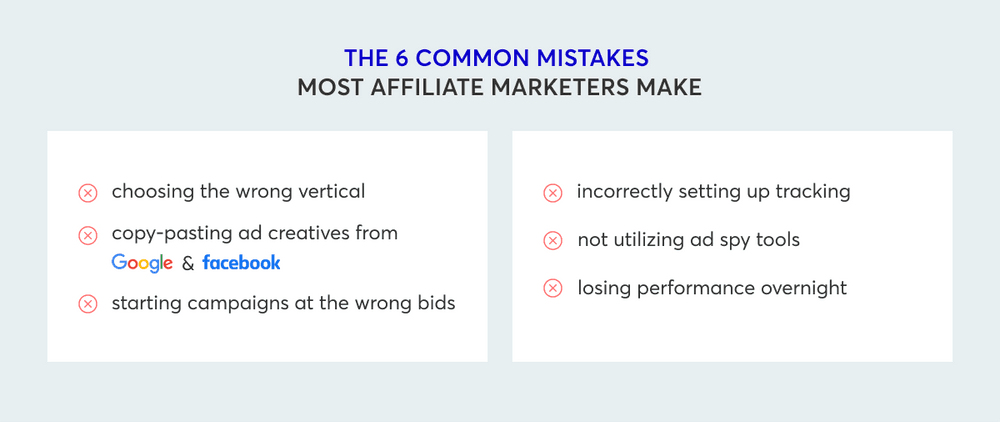
If your campaigns are failing, it usually boils down to these six critical errors:
- Copy-Pasting Ad Creatives from Facebook & Google: Native ads sit inside editorial content. If you use a polished, corporate Instagram banner on a news website, it screams "ad" and gets ignored. You need native-first creatives (like scrapbook layouts or UGC-style images).
- Choosing the Wrong Vertical: Not every product works on the open web. High-ticket SaaS or B2B software will struggle here. Native thrives on broad, impulse-driven or emotional verticals: Nutra, Finance, dating, and eCommerce.
- Incorrectly Setting Up Tracking: In a cookieless environment, relying on basic client-side pixels is a death sentence. If your postbacks and server-to-server (S2S) tracking aren't flawless, you are optimizing completely blind.
- Starting Campaigns at the Wrong Bids: Starting with a massive CPC burns your budget in hours; starting too low means you never win premium publisher placements. You must use AI price recommendations to find the sweet spot for data collection.
- Not Utilizing Ad Spy Tools: Launching blindly is gambling. If you aren't using spy tools to see what bridge pages, headlines, and offers are already profitable in your target GEO, you are wasting the testing budget.
- Losing Performance Overnight (Ad Fatigue): Native campaigns require active management. A creative that prints money on Monday can burn out by Friday. If you aren't constantly rotating fresh creatives and blacklisting underperforming widgets, your ROI will tank overnight.
The biggest overarching problem? Impatience. Native advertising is a data-buying game. You must allocate a strict budget for a 3-to-7 day data collection phase before you start cutting placements or pausing campaigns.
How AI Tools Changed Affiliate Marketing Native Advertising
Manually writing headlines in 2026 is basically financial suicide. The market moves too fast. Over the last two years, artificial intelligence took over the grunt work of launching and scaling campaigns. Speed is the only baseline that matters now.
Creative production is totally different today. You don't wait on design teams. Generative tools let a single media buyer rip fifty image variations and localize copy across multiple GEOs in under ten minutes. You build massive asset batches instantly and let the data pick the winner.
Then look at the bidding side. Trying to manually adjust your CPC across thousands of separate publisher widgets is physically impossible. Smart platforms like MGID solved this with predictive engines. The algorithm tracks conversion patterns live. It automatically pushes your bids higher when a user is actually likely to buy, and completely cuts spend on dead zones.
Targeting also shifted. The cookie wipeout forced native networks to build semantic AI. The engine doesn't just scrape basic keywords anymore. It reads the whole page, figures out the sentiment, and drops your native ads for CPA offers into the exact right context. You get high-intent traffic without touching a single piece of restricted personal data.
Creative Examples That Actually Convert
Let’s talk about visual angles. What worked a few years ago is completely dead today. If you run polished stock photos of happy people pointing at your product, you will bleed money. Users scroll past traditional ads instantly. You need high CTRs to force your CPCs down, and that requires raw, disruptive visuals.
Here is exactly what is pulling numbers across the top verticals right now.
1. Nutra: The "UGC Macro" Angle
Stop using fake doctors or models holding pill bottles. The market is completely blind to it. The highest converting Nutra creatives right now look like low-quality smartphone pictures. Think of a tight, slightly out-of-focus macro shot of a strange local root, or a simple glass of water with an unidentifiable colored powder. It doesn't look like an ad. It triggers raw curiosity.
Winning Headline Format: "Top Surgeon: Do This Every Morning To Clean Your Arteries"
2. Finance: The "Kitchen Table" Notice
Nobody clicks on the guy in the tailored suit pointing at a rising stock chart anymore. If you are running lead gen for insurance, debt relief, or mortgages, play on urgency and realism. Use a picture of an opened, generic-looking envelope sitting on a messy kitchen table next to a set of keys. It looks exactly like real mail. It creates an immediate psychological need to know what is inside.
Winning Headline Format: "Born Before 1970? Check If You Qualify For This New Monthly Benefit"
3. eCommerce: The "Dashcam / POV" Format
Kill the studio lighting. If you are selling a tactical flashlight, a drone, or a car gadget, do not shoot it in a white lightbox. You want a grainy, low-lit photo of the flashlight cutting through absolute darkness in a backyard. It needs to look like a raw customer review photo pulled straight from a Reddit thread.
Winning Headline Format: "Why Mechanics Are Buying Up This $29 Gadget Before Winter"
How to Find Winning Offers and Launch Your Campaign
Picking a random product from a network and hoping for the best is a rookie mistake. If you want to succeed in affiliate marketing native advertising, the offer selection phase requires actual strategy. You need a product that fits the open web.
Here is exactly how top buyers source their deals and push them live:
1. The "Intersection" Method
Do not guess what works. Talk to your affiliate network manager and ask for their top three performing offers. Then, talk to your MGID account manager and ask what is converting right now on the traffic side. Usually, their answers will be completely different. But when you find an intersection — a specific product or GEO that both managers recommend — that is your green light. Go hard on that offer.
2. Balance Payout vs. CPC
Do not blindly chase the highest payout. If you see a native ad affiliate campaign boasting a massive commission but the average CPC is suspiciously low, that is a massive red flag. It usually means the audience is completely exhausted. Top affiliates have already drained that specific angle, and you are just buying their leftovers. You need a healthy balance between payout and click cost to maintain margins.
3. Spy, Clone, and Localize
You do not need to invent a new angle from scratch. Buy access to a premium ad spy tool. Look at what bridge pages and creatives are currently dominating your target market. Find a profitable angle in the US, translate the copy, adjust the cultural nuances, and launch that exact affiliate offer native traffic funnel in Brazil or Tier 2 Europe.
4. Lock Down S2S Tracking First
Do not touch the launch button until your tracking is bulletproof. Client-side pixels fail too often now. You need to connect your affiliate network to a dedicated tracker (like Voluum) and pass your conversions back to your traffic source via server-to-server (S2S) postbacks. If the ad network's AI cannot see your conversions, it cannot optimize your bids for native ads for CPA offers.
5. Launch Broad, Then Cut
When you go live, start with a moderate bid. Your goal right now is buying data, not instant profit. Let the campaign run untouched for at least three to five days. Once you have enough click data, open your dashboard and look at the publisher placements. Ruthlessly blacklist the specific widgets that are eating your budget with zero conversions. Keep the winners running and let the platform's auto-bidding scale your volume.
Conclusion: Stop Guessing, Start Scaling
The affiliate landscape in 2026 is unforgiving for those who rely on outdated tactics. If you are still fighting daily account bans on social media or waiting for SEO to kick in, you are leaving massive profits on the table.
Native advertising is no longer just an alternative traffic source; it is the backbone of scalable performance marketing. By leveraging AI-driven bidding, contextual targeting, and aggressive, raw creatives, you can build campaigns that actually last longer than a weekend.
Stop treating your media buying like a lottery. Lock down your S2S tracking, build high-converting bridge pages, and trust the data phase. At MGID, our ethos has always been simple: you sell the product, and we will sell the click.
Ready to dive deeper? Check out our other resources:
- Want to go back to the basics? Read our guide on How to Start Affiliate Marketing.
- No landing page? Learn about Affiliate Marketing Without a Website.
- Looking for new angles? Explore the most profitable Main Verticals in Affiliate Marketing.