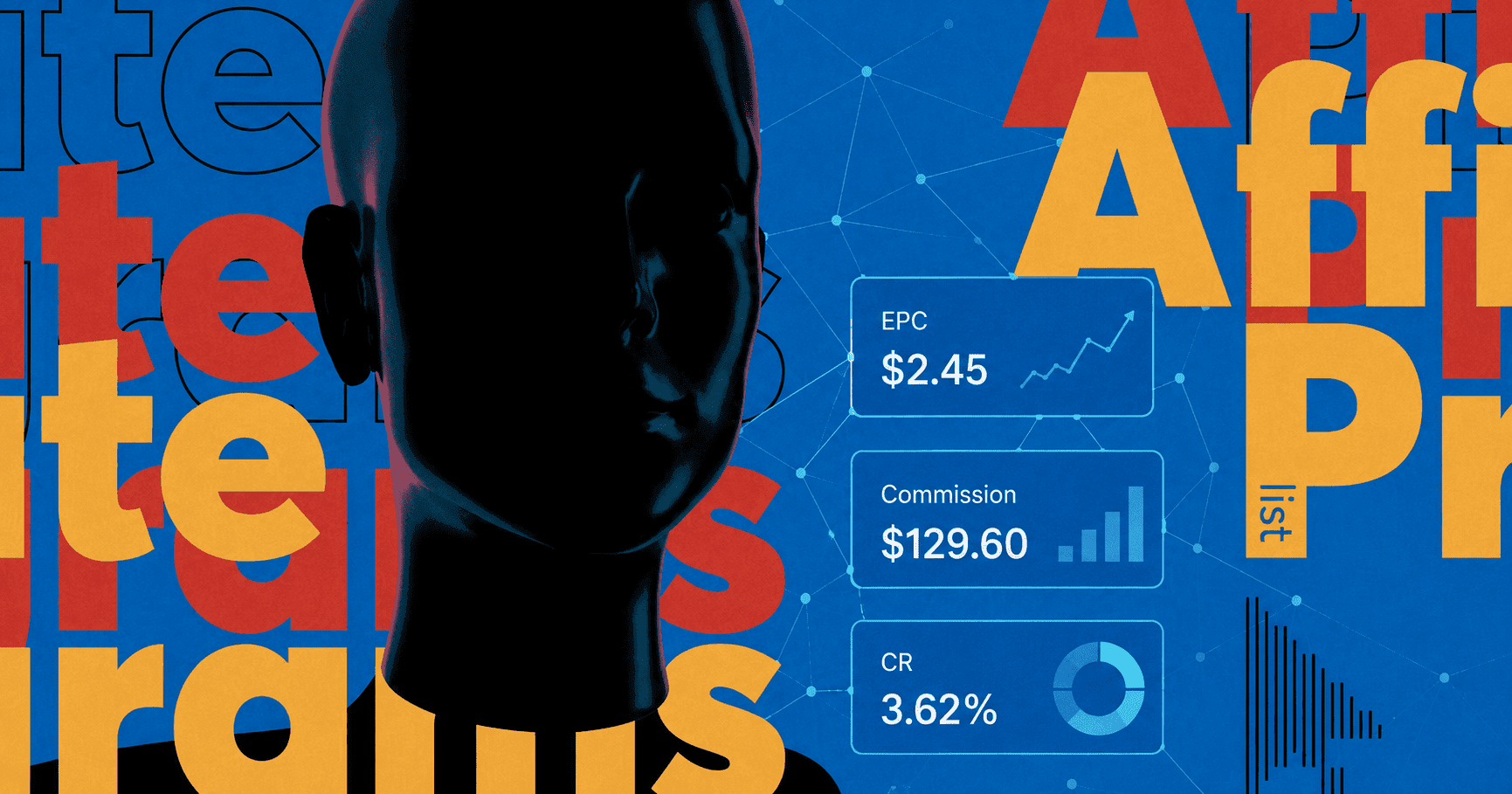
Virtual avatars aren't just a quirky PR stunt anymore. Look at any major enterprise marketing budget today, and you'll spot dedicated line items for synthetic creators. It’s not about chasing shiny new tech. It comes down to control. Imagine running a live shopping event in perfect Mandarin, then switching to a localized Spanish campaign five minutes later — all staying exactly on brand. That is a level of control human talent literally cannot match.
Companies want scalable, predictable results without the usual drama. The conversation has flipped from companies asking if they need virtual talent to how fast they can plug it into their existing media mix.
Let's rewind a bit to make sense of where we are. The impact of AI on influencer marketing 2025 felt messy. It was mostly beta tests, awkward legal drafts, and marketing teams trying to figure out if audiences would actually accept synthetic faces. Fast forward just one year, and the reality of AI in influencer marketing 2026 is completely different. It works like a standard, highly tuned performance channel.
Moving From Gimmick to Brand IP
Let's talk about the risk of human talent. They miss deadlines, or they post something at 3 AM that forces a brand’s PR team into emergency mode. Virtual creators don't do any of that. They eliminate the friction that usually comes with human talent.
That kind of absolute reliability is exactly what drives the biggest AI influencer marketing trends 2026 has to offer. Big fashion labels and auto brands can now build their own digital persona instead of renting someone else’s audience. Owning an in-house virtual ambassador means keeping 100% of the equity and IP.
If you read any recent AI influencer marketing news, you know that short-term campaigns are out, and long-term asset creation is the new baseline. Because of this, the core mechanics of AI influencer marketing are tearing up the old agency rulebooks. How we budget, shoot, and launch global campaigns will never be the same. Now, the real focus is on the tech stack pulling the strings behind the scenes.
The Tech Stack: Building and Distributing Virtual Talent
Production costs crashed over the last few quarters, and buyers can now access endless browser-based software doing heavy voice cloning and lip-syncing. Actually, finding AI tools for influencer marketing is incredibly easy nowadays. The real challenge is filtering out the useless ones.
When agencies want to deploy a virtual face, they usually sign a contract with a dedicated AI influencer marketing platform that acts more like automated talent rosters than simple rendering engines. Teams upload strict brand safety rules, visual assets and scripts, and from there, the code does the heavy lifting. We see massive demand for any capable AI-powered influencer marketing platform because buyers have to push video across TikTok and Reels instantly. Media planners are aggressively testing the best AI tools for influencer marketing just to stop bleeding cash on daily content drops.
However, rendering a flawless avatar only solves the production problem. Distribution is a whole other challenge.
Shoving a synthetic creator into a standard display banner rarely works. Users have trained their brains to ignore them completely. That exact problem is why native networks like MGID are critical for this format. MGID takes the virtual ambassador’s content and embeds it directly into premium publisher feeds. The algorithms match the ad contextually to whatever the person is reading. It bypasses the ad-blocker in the user's mind. The placement feels organic rather than disruptive. Once you hook up MGID's contextual targeting with proper AI influencer marketing analytics, the data gets very interesting. You stop looking at fake engagement and start tracking actual return on ad spend.
That setup shows how practical influencer marketing AI functions in the real world. The true value is a trackable sales funnel. Top buyers know the absolute best influencer marketing AI tools connect generation to smart traffic sources. Relying on AI for influencer marketing without pushing that content natively means you are broadcasting to zero people.
Brand Strategies & Product Integration
The financial reality of the AI impact on influencer marketing forced a massive pivot toward direct response. Before, brands treated synthetic avatars like expensive PR toys. Now, their bottom line is cost per acquisition. To develop profitable AI influencer marketing strategies, one must understand exactly where software outperforms human biology, and in most cases, it’s at the top of the funnel.
Selling physical goods through code gets complicated quickly. Consumers demand social proof before entering credit card details. This makes AI product influencer marketing a tough balancing act. A digital avatar cannot actually taste a new energy drink or feel the fabric of a winter coat. Clever media buyers solve this by focusing entirely on visual aesthetics and lifestyle signaling rather than faking physical reviews. They use avatars to model seasonal clothing lines in impossible, highly rendered locations or to demonstrate complex app interfaces in forty different languages simultaneously.
Executing this at scale requires serious technical infrastructure. Most enterprise brands refuse to build the technology in-house from scratch. Instead, they outsource the heavy lifting to the leading AI influencer marketing agencies operating globally. These specialized teams hold the enterprise licenses for the top AI influencer marketing platforms. They handle the complex 3D rigging, the script generation and the localized voiceovers.
Corporate compliance departments absolutely love the intersection of influencer marketing and AI. Real humans carry massive reputational risks. Code does not. That exact peace of mind drives heavy, continuous investment into AI brand influencer marketing. Chief Marketing Officers sleep much better knowing their million-dollar global campaign won't get derailed overnight because a physical spokesperson posted something offensive online.
To guarantee that level of brand safety, agencies constantly evaluate the best AI-driven influencer marketing tools before locking in annual budgets. Buyers want an AI-powered influencer marketing platform that bakes brand safety filters right into the prompt generation layer. Ultimately, successful AI powered influencer marketing relies entirely on stripping out human error while maximizing visual distribution.
Measurement: Tracking Fake Faces with Real Data
Nobody cares about vanity metrics anymore, especially when the face generating the likes doesn't actually exist. The entire ecosystem shifted toward hard performance data. If a media buyer cannot track direct revenue, the campaign is paused.
This brutal focus on ROI totally changed how teams build their tech stacks. Evaluating different AI influencer marketing tools today means looking straight at attribution models and tracking exactly who clicked and bought the product.
How Buyers Measure Virtual Campaigns
Top-tier teams rely heavily on dedicated AI influencer marketing analytics to strip out bot traffic and measure actual human buying behavior. When agencies vet different AI influencer marketing platforms, they demand features that connect directly to their CRM and ad networks.
Here is exactly what performance marketers track when running synthetic talent:
- Cost Per Generation vs. CPA: Buyers calculate exactly how much server time and API costs go into creating one localized video clip. They then compare that baseline generation cost against the final Cost Per Acquisition. If the math doesn't beat human talent, the avatar gets shelved.
- Native Placement CTRs: Organic reach is dead. Amplifying synthetic creators through native networks requires tracking how well the avatar blends into publisher sites. High click-through rates here prove the avatar bypassed user scrutiny.
- Cross-Border ROAS: A major advantage of AI in influencer marketing is instant translation. Buyers track which geographic regions convert best when the avatar speaks the local language, allowing them to shift daily ad spend to the most profitable countries instantly.
The Agency Pivot
The agency model had to adapt fast. Traditional talent managers realized they couldn't compete with code. Now, the space is dominated by hybrid tech firms. These new players actually own and operate the AI-powered influencer marketing platform that renders the talent.
Buyers trust these firms because they understand the technical headaches. Setting up a global campaign requires syncing multiple AI influencer marketing tools to handle prompt generation, video rendering and distribution simultaneously. It is a massive logistical puzzle. And any robust AI powered influencer marketing platform must integrate directly with paid media channels to deliver ROI.
The baseline expectation for AI influencer marketing in 2026 is full transparency. Brands know the talent is fake. The audience knows the talent is fake. But that doesn’t make the credit card transactions any less real. If an agency pitches a virtual campaign without a rock-solid plan for backend analytics and native distribution, media buyers should walk away.
The Bottom Line: Scale the Code, Distribute with Context
Now that the initial panic about algorithms completely wiping out human creators faded, what we actually have right now is a highly functional, hybrid machine.
Going all-in on AI influencer marketing doesn't mean firing your human ambassadors. It means using code to handle the brutal, high-volume localization work at the top of the sales funnel. Because smart media buyers recognize the limitations of synthetic talent and human creators’ strength within the sales funnel.
If we look at the remaining AI influencer marketing trends 2026 will offer, the trajectory is obvious: render costs will drop, as will generation speeds. However, the actual winners this Q4 won't be the brands with the prettiest 3D models. The winners will be the marketing teams who master distribution.
Think about the workflow. You can easily license a massive AI powered influencer marketing platform and pay premium subscriptions for the best AI tools for influencer marketing. But none of that tech matters if a user immediately spots a programmatic banner ad and scrolls right past it. Banner blindness kills synthetic campaigns just as fast as traditional ones.
Winning in this environment requires native integration. The campaigns actually printing money take these virtual assets and embed them organically into premium publisher feeds. They use AI in influencer marketing to scale the creative assets and native advertising networks to earn the user's attention without disrupting their reading experience.
So, stop chasing tech novelty. Lock down your attribution models, secure a reliable tech stack, and focus strictly on your cost per acquisition. The brands treating virtual avatars as hard performance assets are the ones dominating the margins in 2026.