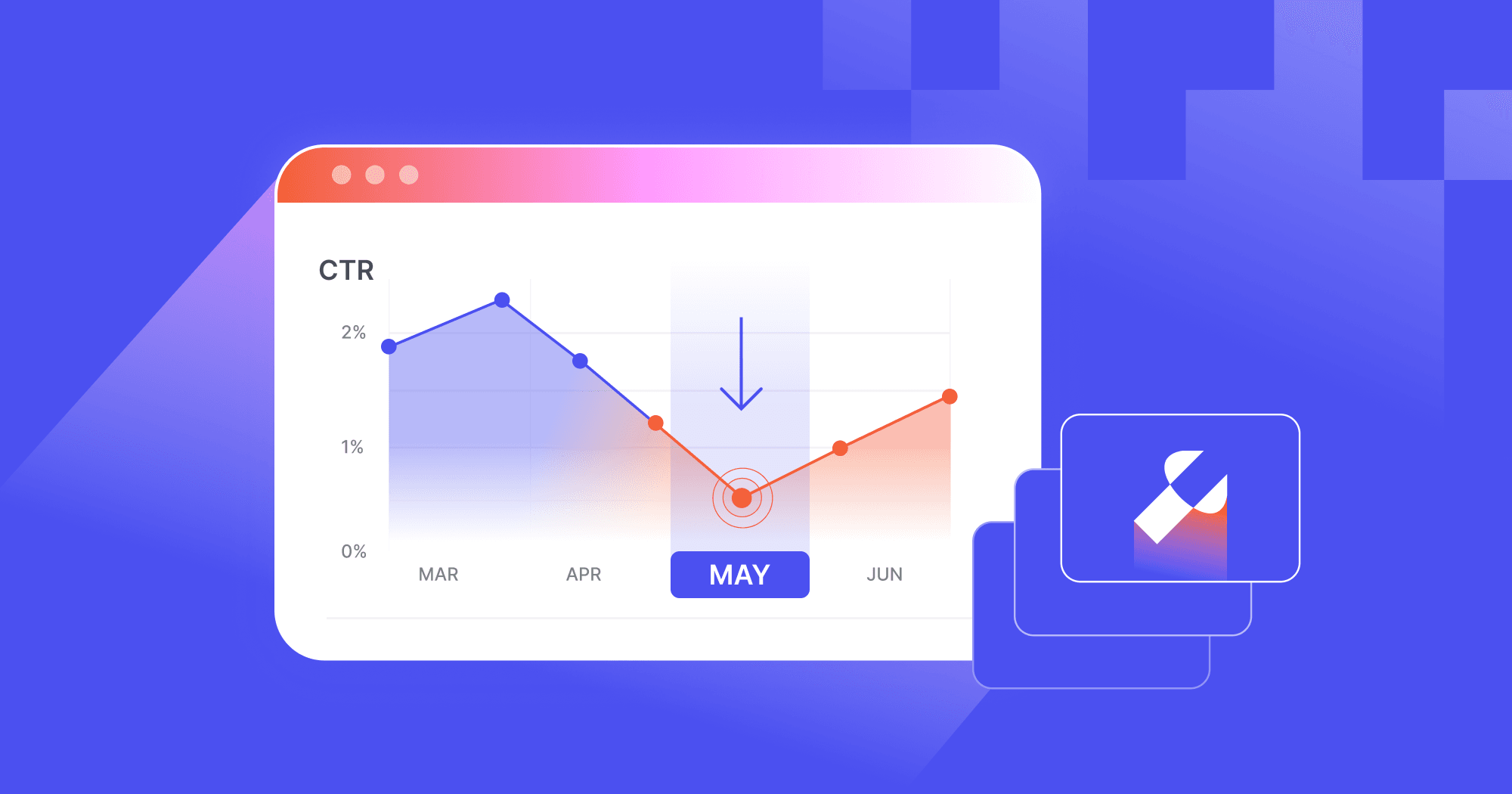
May is a notoriously frustrating time for media buyers. You leave your targeting untouched, your daily budget remains consistent, and yet your Click-Through Rates suddenly start sliding downward. It often feels like a technical glitch or a platform algorithm update, but it is actually a highly predictable behavioral shift.
We call it the "May Slump." It happens every year across almost all verticals. Understanding exactly why user behavior fractures during this specific month is the only way to protect your margins before the summer season officially hits.
The Anatomy of the May Slump
The drop in engagement is rarely a problem with your media buying mechanics. It is a direct result of changing real-world routines. Here is exactly what happens to your audience when May arrives.
The Screen-Time Migration
When the weather finally warms up, daily digital routines break down. People spend significantly less time mindlessly scrolling on desktop monitors during long evenings. They go outside. While not completely disappearing from the internet, audiences are swapping long desktop sessions for quick glances at their phones. Think of a user scrolling through a feed while waiting for a coffee or walking to the car. If your native creatives require deep reading or are not visually optimized for a quick mobile glance, your CTR will inevitably drop.
The "Shoulder Season" Intent Gap
May is the awkward middle child of the retail and advertising calendar. The aggressive Q1 promotions and Mother's Day rushes are completely finished, but peak summer spending has not fully activated. In May, consumers enter a passive research phase. Everyone is looking at summer rentals or adding sunglasses to their carts, but nobody is pulling out their credit card just yet. During this time, people window shop, and if you push an aggressive direct-response message during this specific window, they will simply ignore it.
Q2 Creative Fatigue
Think about your own feed right now. You have probably seen the exact same floral, spring-themed campaigns since early March. Weeks ago, the pastel color palettes and generic angles would have converted brilliantly, but now, they are completely exhausted. Banner blindness hits its absolute peak right as the seasonal transition happens, causing users to scroll right past your best-performing assets.
How to Fix the May Slump: Practical Adjustments
You cannot force people to stay indoors and shop. Fighting the seasonal shift is a massive waste of time, energy and budget. Instead, you need to adapt your native campaigns to fit user behavior.
Pivot to the Soft Sell
Since consumers are currently window shopping, your ad copy needs to match that exact energy. Pushing a hard sell during a low-intent period just causes ad fatigue. Try playing the long game. Give them a reason to click without asking for a credit card upfront. A headline reading "Planning a Backyard Upgrade? Read This First" works miles better than a generic discount offer in the month of May. The goal here is to gather micro-conversions. You want to get users onto your landing page, capture an email or build a solid retargeting list. That way, you have a warm audience ready to convert the second June hits and their buying intent spikes.
Trim the Visual Fat for Mobile
If the majority of your traffic is migrating to mobile screens, your creatives need a serious diet. Picture someone trying to decipher a cluttered banner ad with the sun glaring off their phone. It just won't happen. Zoom way in on your product shots. Bump up the color contrast so the image pops even on a screen fighting glaring sunlight. Keep your text overlays incredibly short — if your headline needs two lines on a mobile screen, it is already too long. You get a quarter of a second to grab a user’s attention, so make the visual impossible to misinterpret.
Rethink Your Dayparting Strategy
In the last two weeks, that massive spike in evening desktop conversions you relied on back in February is probably gone. People are outside enjoying the longer daylight hours. That’s why it is imperative that you check your recent hour-by-hour breakdowns. You will likely spot random engagement bumps at 7 AM, or maybe a quick surge during lunch breaks when office workers are bored. That is your new battlefield. Push your bids up during those exact micro-windows and pull back heavily once the evening hits.
Letting Algorithms Handle the Heavy Lifting
You can tweak your manual settings all day, but fighting a seasonal shift without algorithmic backup is exhausting and pointless. People drastically change their reading habits in May. They take a break from heavy news and start browsing lifestyle content, travel hacks or outdoor DIY guides. Your placement strategy must follow suit.
Lean Into Contextual Targeting
Broad demographic targeting falls apart when user intent drops. You can no longer rely on showing an ad just because someone fits a certain age bracket. You need relevance. If a user is reading a blog post about the best summer road trips, that is the exact second they need to see your travel accessories ad.
This is where leaning on a platform like MGID provides a massive structural advantage. Instead of blindly chasing users with cookies, MGID’s algorithms analyze the publisher's content before placing a widget. The system matches the core message of your creative to the exact topic the user is currently reading. When your ad feels like a natural extension of the article, your CTR naturally pulls itself out of the gutter.
Stop Guessing Your CPCs
And what about those chaotic, fragmented traffic spikes we just talked about? You realistically cannot sit and refresh a spreadsheet 24 hours a day to catch a random Tuesday afternoon surge. It is impossible.
You must hand the steering wheel over to automated bidding. Instead of manually adjusting CPCs per placement, let predictive models take the wheel. MGID’s algorithms, for example, evaluate the actual conversion probability of every single impression right before it loads. If the system detects a user passively scrolling with zero intent, it automatically drops the bid to protect your daily budget. If it spots a highly relevant match, it bids up to win the placement.
The Bottom Line
The May slump is not a permanent crisis. It is just a transitional bridge between spring and summer. Media buyers who panic and pause their campaigns completely end up missing out on building a massive, valuable retargeting pool.
Don’t fight the inevitable slump. Instead, dial back the aggressive sales pitches, clean up your visuals for mobile screens and let contextual algorithms place your ads where they actually belong. Make these adjustments now, and you will have a pipeline full of warm, ready-to-buy leads the exact second June arrives.