When it comes to static native creatives, slapping a pastel pink filter and a generic "We Love Moms" message on a banner simply does not work anymore. Advertisers have trained audiences to completely ignore this aesthetic, making familiar floral elements entirely predictable.
Although, there is one exception: interactive and motion formats. When you add animation, user-driven choices or dynamic storytelling to the mix, those traditional Mother’s Day aesthetics can actually still perform quite well. With motion, the familiar symbols are brought to life.
However, if you are relying on static images, you have to move away from the clichés. Focus instead on building a narrative. The secret to a high-converting holiday campaign is realizing that you do not need a massive, text-heavy advertorial to tell a story. From unconditional love to childhood memories to the guilt of not calling enough, all of these associations already exist inside the user's head. Your native ad just needs to tap into that. Build something familiar, and let the audience fill in the rest.
Here are three distinct creative approaches that use real-life observation to drive action this Mother's Day.
The Nostalgia Trigger: The Silent Sacrifice
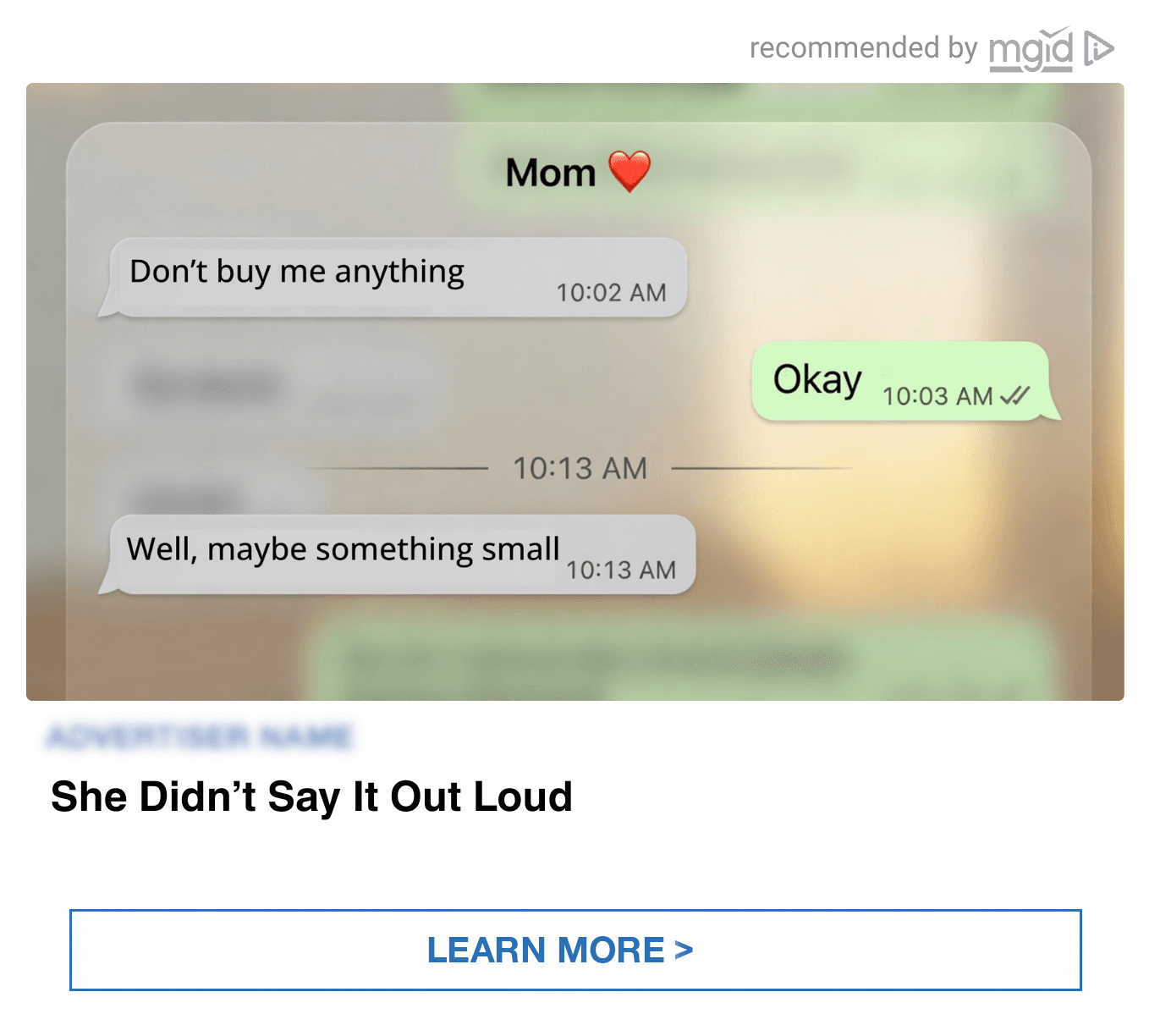
Moms have this habit of putting everyone else first. Growing up, you completely miss those daily sacrifices. You only begin to understand those quiet compromises when you reach your late twenties. For this creative approach, forget the hard sales pitch here, and instead, trigger a memory from childhood.
- Target Audience: Millennials buying gifts for their moms
- The Visual: For an aesthetic straight out of a 1998 shoebox, you need a raw childhood photo with a harsh camera flash, slightly out of focus and absolutely zero filters. Glossy stock images will kill the vibe instantly.
- Why it works: Seeing that authentic, grainy look compels users to stop scrolling because it feels intensely personal. A reader might be browsing an article with zero intention of spending money today, but that sudden wave of nostalgia creates an immediate urge to give back. It acts as a perfect top-of-funnel hook for large retail marketplaces.
The "Translate Mom" POV
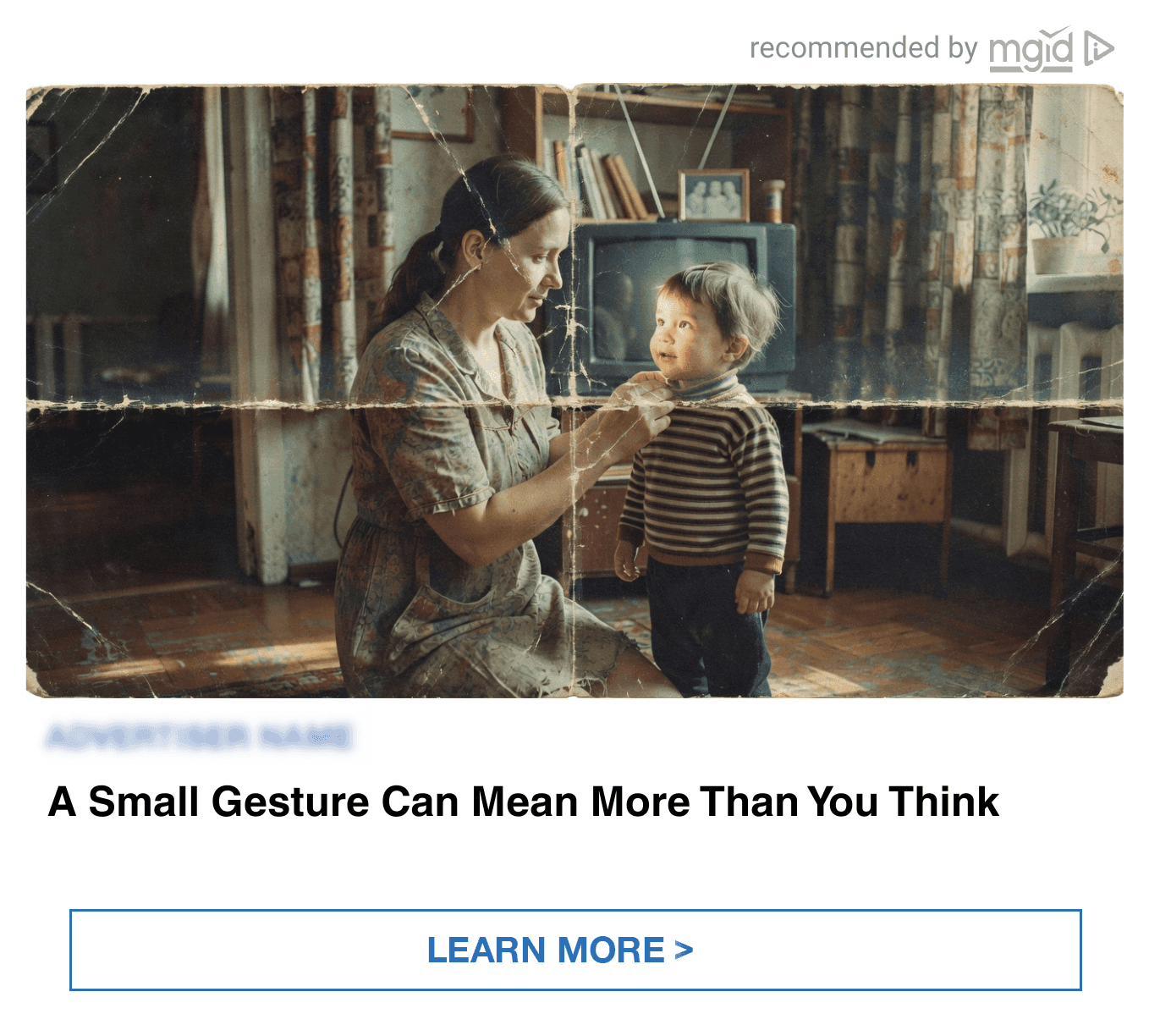
When she says, “I already have everything, just surprise me,” it is her way of leaving the door open for something thoughtful. Maybe it is that specific perfume you looked at together months ago or the charm bracelet she convinced herself out of buying. To surprise her means that you listen, remember and care.
- The Target Audience: General / Broad
- The Visual: Use a simple WhatsApp or iMessage screenshot to illustrate the need to read between the lines.
- Why it works: This exchange is universally recognizable. Almost everyone has had this exact conversation with their mother. Using a messenger interface completely bypasses standard banner blindness because it feels like a real screenshot from the user's own phone. It leaves the door wide open for any product category.
Finding Beauty in the Mess
Real life rarely gives us a natural opening to say thank you properly. For new moms that keep the whole house running, the actual holiday usually ends up feeling like just another packed weekend schedule. Sometimes her partner tries to organize something but misses the mark. Sometimes she ends up planning her own celebration.
- Target Audience: Young moms (and their partners)
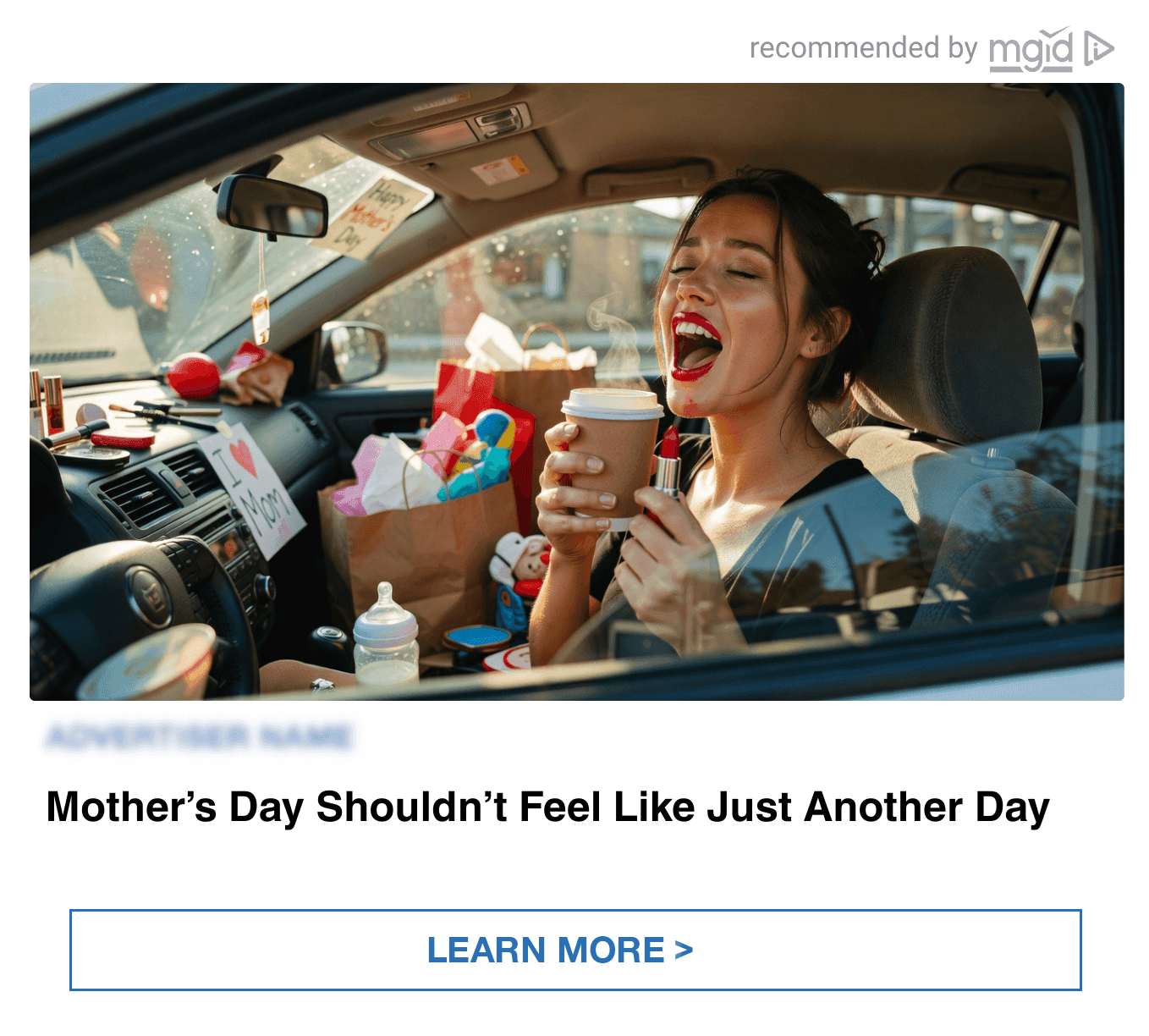
- The Visual: For a highly relatable, chaotic car POV, picture a steering wheel camera angle where she is belting out a song, balancing a giant iced coffee and somehow applying makeup at a red light.
- Why it works: It drops the act. Motherhood is not always serene and softly lit. It is usually chaotic and loud. Acknowledging that reality builds instant trust. Buying her that expensive night cream or a weekend shopping pass stops being a mandatory checklist item. Rather, it feels like handing her a well-deserved minute to breathe.
Rich Media: When Interaction Beats Banner Blindness
We mentioned earlier that relying on traditional holiday aesthetics — like soft pinks, clouds and highly sentimental copy — is a quick way to get ignored. However, there is a massive caveat to that statement, and that is Rich Media.
When you introduce gamification, swipe mechanics and tap-to-reveal features, the rules completely change. The user is no longer passively scrolling past a static cliché. With Rich Media, they are physically engaging with a mini-app inside their feed, and that active participation makes familiar, nostalgic symbols of Mother’s Day work incredibly well.
Here is how you can use interactive mechanics to elevate different product categories for Mother's Day.
The Dreamy Gift Guide (Retail & Beauty)
Catalog ads are usually just boring carousels. This format turns the standard gift guide into a tactile, dreamy experience.
- The Visual: A perfume bottle is made entirely out of clouds against a blue sky, with interactive category icons below it.
- The Mechanic: Tap-to-discover. Users click on different floating icons (Fashion, Fragrances, Wellness) to dynamically change the product featured in the center.
- Why it works: Finding a gift often feels stressful. This ad completely flips that emotional script. By using a soft, airy aesthetic and making the user physically tap to "reveal" the next idea, you turn shopping into a relaxing, zero-pressure micro-experience. It keeps people inside the ad unit way longer than a standard click-through.
The Bold Gamification (Food & Beverage)
Coffee brands usually just post a picture of a latte with a heart in the foam. This approach takes a much bolder, deeply emotional swing, wrapped up in a quick game.
- The Visual: A warm, illustrated graphic of a mother nursing her baby is paired with the copy: "Your first drink came from her heart."
- The Mechanic: A "slide to catch" mini-game. The user has to physically swipe the screen to catch a falling coffee cup.
- Why it works: It catches you totally off guard. Connecting a baby's first nourishment to buying mom a premium coffee is an unexpected, brilliant copywriting hook. Adding the slider mechanic ensures the user actually pauses to play. You get a raw, authentic message combined with a fun, frictionless interaction.
The Interactive Metaphor (Insurance & Services)
Selling life insurance or healthcare coverage for Mother's Day is a notoriously tough gig. It is not exactly a fun, celebratory gift. However, if you connect it to the core concept of a mother's protection, the angle suddenly makes sense.
- The Visual: Picture a realistic, sunny photo of a mom playing with her kid on the lawn.
- The Mechanic: Tap-to-protect. A glowing outline of a mother's embrace hovers over the photo. When the user taps the screen, the "shield" activates, tying into the headline: "She protected you first."
- Why it works: This is how you sell an invisible product. Insurance is abstract, but this Rich Media format makes it physical. By making the user tap the screen to activate a protective layer, the ad creates a powerful psychological link. You are physically replicating the act of keeping a family safe.
The Bottom Line for Mother’s Day 2026
Winning this Mother’s Day comes down to dropping the pursuit of perfection. Audiences are completely blind to flawless stock-photo families and predictable floral banners. If you are running static campaigns, your best move is to lean heavily into the messy, chaotic and deeply authentic moments of real parenthood. That raw honesty builds instant trust and drives action much faster than any generic holiday greeting.
However, if you still want to rely on those classic, sentimental aesthetics, you have to pair them with interactive formats. Making the user swipe, tap or play completely bypasses traditional banner blindness. Whether you are using a grainy 1998 photo to spark nostalgia or a gamified Rich Media unit to sell coffee, the core strategy remains exactly the same: stop treating your buyers like a demographic, and start triggering their actual memories.